
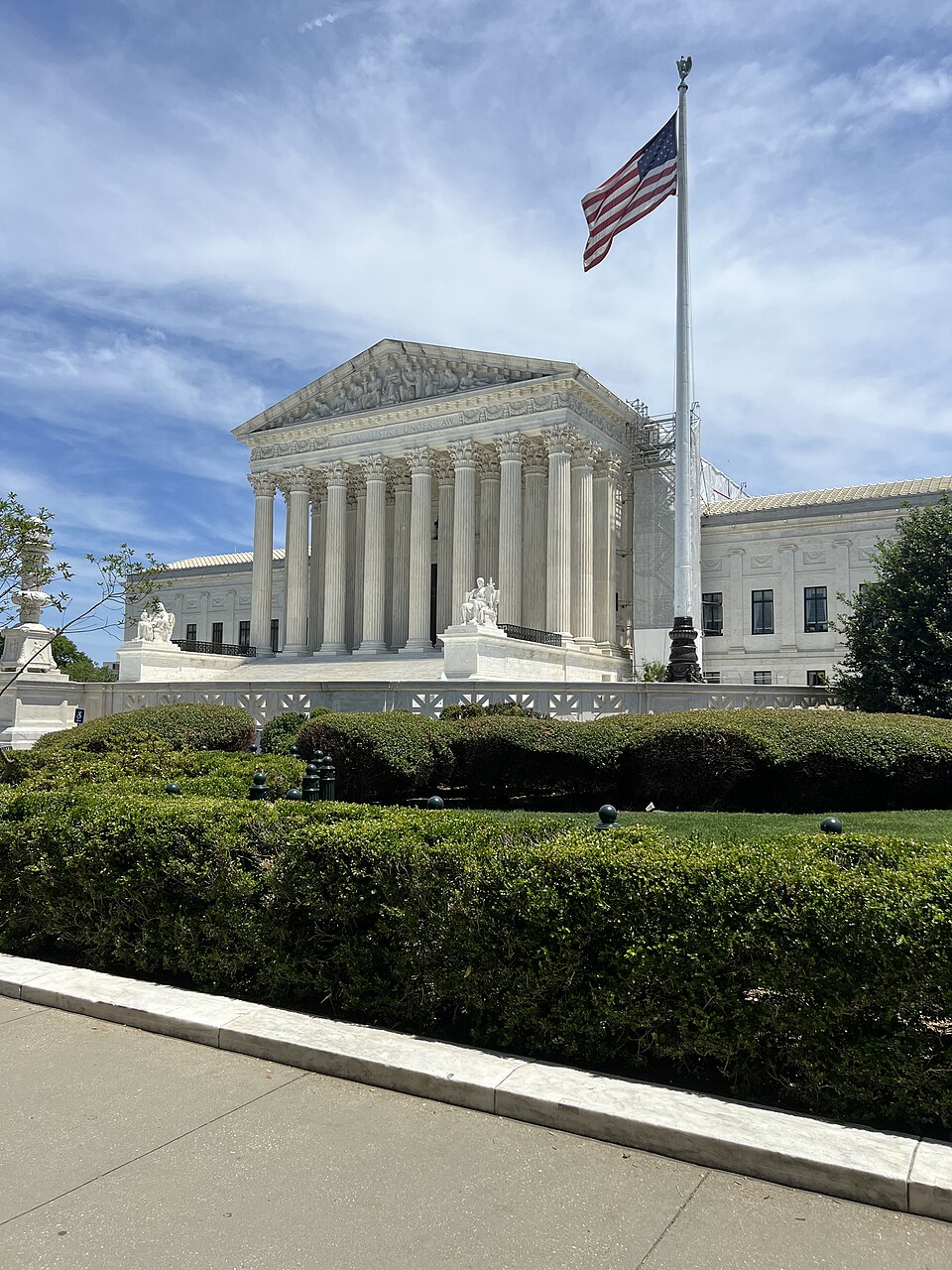
On March 9, the administration asked the Supreme Court to let it move more quickly to end Temporary Protected Status protections that lower-court rulings have kept in place for about 350,000 Haitians and 6,100 Syrians. The filing matters because it seeks permission to terminate those protections while the ordinary appeals process is still underway. For affected families, that procedural posture is the story. A Supreme Court application is a request for relief, not the relief itself.
TPS is a temporary benefit, not a path to lawful permanent residence or citizenship. It still determines whether many people may stay and work in the United States while conditions in the home country remain unsafe. The administration is trying to remove the court orders that have slowed termination efforts. Families need a clear sense of what changed this week and what did not.
What the Filing Seeks
The March 9 filing is part of a broader push to let the administration implement TPS terminations while ordinary appeals continue. According to AP's March 9 report, Solicitor General D. John Sauer argued that lower-court judges have continued to interfere with the administration's effort to unwind TPS protections for several national groups, including Haitians and Syrians.
The dispute is not only about country conditions in Haiti or Syria. It is also about how much room DHS has to end TPS designations before appeals are finished. The administration's position is that DHS should be able to proceed with limited interference from trial-court injunctions. The opposing view is that courts can step in when the termination process appears legally defective or too abrupt.
Why Haiti and Syria Are in the Same Filing
Haiti and Syria are very different countries with very different factual backdrops. The legal posture, however, is similar. In both situations, the administration moved to terminate TPS protections, lower courts blocked or slowed those moves, and the government turned to the Supreme Court for faster relief. AP reported that the government had already appealed a ruling preserving protections for Syrian immigrants and planned to appeal another ruling affecting about 350,000 Haitians.
The population size is very different. Haiti is the much larger group in the current dispute. Syria is smaller, but the legal principle is the same. A ruling that gives the administration broader room to terminate TPS during ongoing appeals would matter well beyond one country designation.
USCIS's country-specific TPS pages for Haiti and Syria are the practical references families should keep watching because they are where agency instructions about registration periods, work authorization, and country-specific notices appear.
What Has Not Changed Yet
A Supreme Court filing does not cancel someone's status overnight. The administration had to ask the Court for emergency help because lower-court rulings were still in the way. Until a court order or USCIS notice changes the operative rules, families should not treat a headline about a filing as if it were a same-day termination notice.
The distinction affects work authorization, case planning, and risk management. USCIS says TPS is a temporary benefit and also says that an application for TPS does not prevent someone from seeking asylum or another immigration benefit. For clients who may also need an asylum strategy, a family-based green card analysis, or a defense plan in removal proceedings, this is the time to review backup options instead of guessing at the next court order.
Travel remains its own risk. USCIS warns that leaving the United States without TPS travel authorization can jeopardize TPS. Families should avoid making decisions based on headlines alone.
What TPS Holders Should Do Right Now
- Keep copies of every TPS approval notice, receipt notice, Employment Authorization Document, and country-specific USCIS notice.
- Review whether a second line of protection exists through family-based immigration, asylum, or a broader deportation defense strategy.
- Do not assume an employer update, HR email, or social-media summary accurately states the current legal posture. Wait for the operative court order or USCIS notice.
Why This Filing Matters Beyond This Week
AP's March 9 report framed the filing as part of the administration's effort to move more quickly against TPS protections for migrants from multiple countries, not only Haiti and Syria. If the Supreme Court gives the administration the relief it wants, the decision could shape how easily DHS can unwind TPS protections before the normal appellate process plays out.
Not every TPS designation will rise or fall on the same facts. The legal rule the government is pursuing, however, could affect how much time TPS holders have to respond when an administration decides a designation should end. That is the larger significance of this filing.
Practical Bottom Line
This Supreme Court filing is best understood as a warning signal, not a final order. It shows that the administration is still pressing aggressively to end TPS protections for Haitians and Syrians. It does not, by itself, answer whether those protections disappear tomorrow.
Families with TPS exposure should use this window to organize records, review alternative forms of relief, and get country-specific advice before litigation deadlines turn into documentation emergencies. If you need help assessing how TPS overlaps with an asylum case, a family petition, or immigration-court exposure, schedule a consultation.
Sources: AP, Mar. 9, 2026; USCIS TPS overview; USCIS Haiti TPS page; USCIS Syria TPS page.
Chris Hammond is a Houston immigration attorney focused on deportation defense, family-based immigration, and complex immigration litigation strategy.