
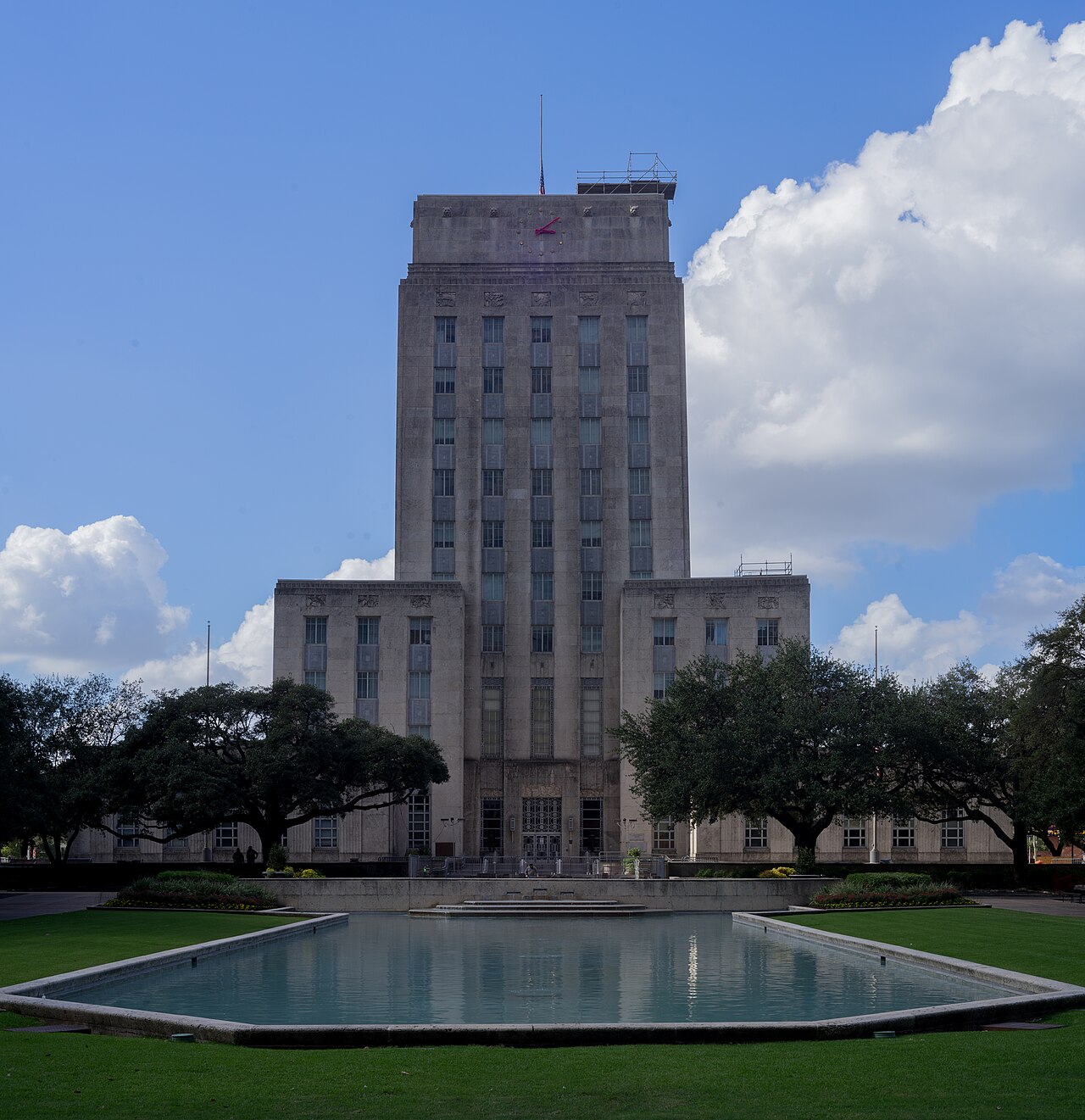
Houston City Council voted 12-5 on April 8, 2026 to adopt a new immigration-procedures ordinance governing how the Houston Police Department handles field encounters that intersect with ICE. The short version is that the ordinance says HPD cannot keep someone on a traffic stop or other field detention longer than reasonably necessary just to wait for ICE on an administrative immigration warrant.
The practical effect is narrower than some of the public debate around it. The final ordinance does not say HPD can never call ICE. It says an ICE administrative warrant is civil, not criminal, and by itself does not justify a stop, arrest, or continued detention by local police. That distinction matters because it is the difference between a citywide no-contact rule and a citywide detention-limits rule.
What the Houston HPD-ICE ordinance actually does
The new measure adds Section 34-41 to Chapter 34 of Houston's code. It defines an ICE administrative warrant as a civil form, specifically I-200 or I-205, that is not reviewed by a neutral judge or magistrate. It also defines a "field encounter" broadly enough to cover routine traffic stops and other temporary investigative interactions.
The operative rule is straightforward. During a field encounter, HPD may detain someone only as long as reasonably necessary to complete the lawful purpose of the original stop or investigation. Under the adopted text, an ICE administrative warrant alone does not justify a stop, arrest, or continued detention. If there is no independent reasonable suspicion of a criminal offense sufficient to support continued detention, the person must be released.
That is the legal center of gravity of the ordinance. It takes ordinary Fourth Amendment detention limits and states them expressly in the city code for HPD field encounters.
What it does not do
The original political fight was broader. As the Houston Press reported before the vote, an earlier version would have said HPD was not required to call ICE for administrative warrants. The City Attorney objected, and that language did not survive into the final ordinance.
The adopted version also says nothing in the new section should be read to prohibit or materially limit cooperation required by Texas Government Code section 752.053, the SB 4 provision cited in the ordinance itself. In other words, the ordinance does not create a local rule forbidding communication with federal immigration authorities. It creates a local rule against stretching a field detention past its lawful endpoint just because ICE may want time to respond.
Why the March 11 HPD directive still matters
The ordinance's own background section says that, effective March 11, 2026, HPD had already moved to a supervisory-review model for administrative hits and directed release if ICE could not respond within 30 minutes of warrant verification. That directive was a policy change inside HPD. The ordinance is different because it writes the detention limit into city law.
That does not eliminate ambiguity in every case. Officers can still run background checks. Supervisors can still get involved. ICE can still be contacted. What the new ordinance does is make the outer boundary clearer: once the lawful purpose of the stop is over, HPD cannot keep the person there solely on the strength of a civil administrative warrant unless there is some separate lawful basis to continue the detention.
The reporting requirement may be the bigger long-term shift
The ordinance also requires quarterly public memoranda from HPD to each council member. Those reports must include anonymized records of immigration-status inquiries and of contacts with federal immigration authorities during field encounters.
The reporting categories are unusually specific. According to the ordinance text, the reports are supposed to capture the reason for the stop, the offense if any, whether an administrative warrant, detainer, or criminal warrant was involved, the start and end times of detention, the ZIP code, the number of officers involved, the officers' employee numbers, and the person's race and ethnicity.
For a policy fight that has produced more rhetoric than durable public data, that may end up being the most consequential part of the ordinance. It creates a recurring paper trail for how often city officers are actually using city time and authority in immigration-related field encounters.
What this means for Houston immigrants and families
If you are undocumented, in removal proceedings, or living with an old immigration warrant, this Houston HPD-ICE ordinance does not remove the risk of ICE involvement. It does make one point much clearer: a civil immigration warrant alone is not supposed to keep an HPD traffic stop or similar field encounter going once the lawful purpose of that stop has ended.
It also does not address every enforcement setting. The ordinance is written around field encounters, not every question that can arise after a lawful arrest and booking into jail. That distinction matters in a metro area where several Houston-area counties have already signed agreements to cooperate with ICE, and where detention risk often depends on which agency initiated contact and at what stage. For families thinking about broader enforcement exposure, the firm's post on the Colony Ridge ICE operation shows how quickly local encounters can turn into federal consequences.
If an HPD stop led to prolonged detention, an ICE transfer, or questions about whether officers exceeded the lawful scope of the encounter, talk to counsel quickly. Small timing details can matter in a deportation defense case. If you want a case-specific assessment, schedule a consultation.
Sources: Houston City Council ordinance item and attachment; KPRC report on the April 8, 2026 vote; Houston Press reporting on the revised ordinance before the vote.
Chris Hammond is a Houston immigration attorney focused on deportation defense, family-based immigration, and practical strategy for families facing enforcement risk in the Houston area.