
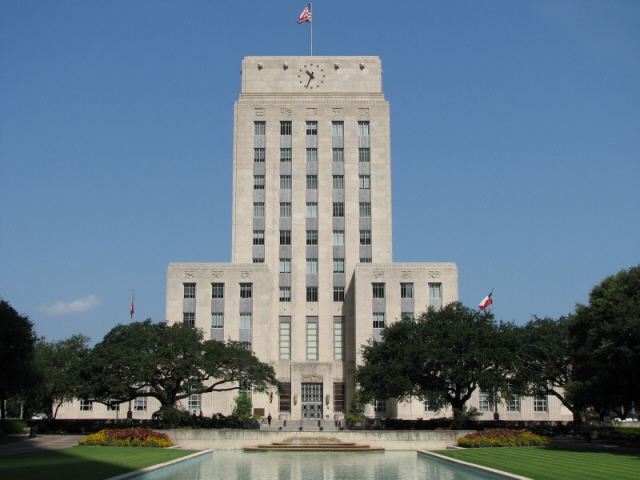
Houston City Council voted 13-4 on April 22, 2026 to amend the HPD-ICE ordinance it had approved just two weeks earlier. The vote came after the Governor's office threatened roughly $110 million in public safety grants and after Texas Attorney General Ken Paxton sued Houston officials. The ordinance stayed in place, but the amendment removed the clearest city-code language saying a civil ICE administrative warrant, by itself, does not justify continued local detention during a field stop.
Before the amendment, the April 8 ordinance gave the public a fairly clear rule: during a traffic stop or other field encounter, HPD could detain someone only as long as reasonably necessary to finish the original purpose of the stop, and a civil ICE warrant alone was not enough to keep the person there. The city says the April 22 amendment still ends HPD's old 30-minute wait practice for ICE. The code is less explicit than it was two weeks earlier.
What changed in the Houston HPD-ICE ordinance on April 22
The April 8 version said officers may detain someone "only as long as reasonably necessary to complete the legitimate purpose of the initial stop or investigation". It also said an ICE administrative warrant is a civil form, is not reviewed by a neutral judge, and "alone, does not justify a stop, arrest, or continued detention by local law enforcement". If there was no independent reasonable suspicion of a criminal offense, the person had to be released.
According to same-day Texas Tribune reporting on the amendment council adopted April 22, the city struck the word "only," added the phrase "and for other legitimate purposes discovered during the detention," and removed the language explaining that ICE administrative warrants are civil and are not probable cause for a criminal arrest. It also deleted the sentence saying those warrants, standing alone, do not justify continued local detention.
Supporters of the amendment said it was needed to protect state funding and still preserve the end of the old 30-minute wait practice. Civil-rights groups argued the changes gutted the ordinance. The code itself gives less direct protection than it did on April 8.
Why council changed course so quickly
Council changed course because the state moved fast. In an April 10 letter, Paxton warned Mayor John Whitmire that the ordinance raised SB 4 problems and criticized both the detention rule and the reporting requirements. In an April 13 notice, the Governor's Public Safety Office said Houston had breached its 2025 grant certification, demanded confirmation that the city would not enforce the ordinance and would act to repeal it, and put about $110 million in FY 2026 grants at risk.
Whitmire called that funding threat a "crisis situation". On April 16, Paxton announced he had sued Houston officials over the ordinance. Later that day, Whitmire said the state had extended Houston's deadline and postponed a special council meeting to April 22 while talks continued. By the time council voted Wednesday, the city was weighing the ordinance against both threatened funding loss and active litigation.
What this means for Houston immigrants and families
The ordinance still deals with field encounters such as traffic stops. It does not answer every question that can come up after a lawful arrest and booking. That distinction matters in a metro area where local cooperation with ICE is already uneven and several nearby jurisdictions have signed agreements to cooperate with ICE.
If you are undocumented, in removal proceedings, or living with an old immigration warrant, the April 8 ordinance is no longer the whole story. Houston may still say the 30-minute wait practice is over. But the city code no longer says as clearly as it did on April 8 that a civil ICE warrant alone cannot keep an HPD stop going.
That leaves more room for dispute about why a stop lasted as long as it did. The same broader enforcement risk shows up in the firm's posts on the Colony Ridge ICE operation and on which Houston-area counties have signed agreements with ICE. If an HPD stop led to prolonged detention, an ICE transfer, or questions about whether officers exceeded the lawful scope of the encounter, talk to counsel quickly. Timing details can matter in a deportation defense case. If you want a case-specific assessment, schedule a consultation.
Sources: Proposition A ordinance text submitted to council; Ken Paxton's April 10, 2026 letter to Mayor Whitmire; Governor's April 13, 2026 notice of non-compliance; Mayor Whitmire's April 13 statement on the funding threat; Mayor Whitmire's April 16 postponement statement; Ken Paxton's April 16 lawsuit announcement; Texas Tribune's April 22, 2026 report on the amendment vote; KPRC/Click2Houston's April 22, 2026 update on the funding dispute.
Chris Hammond is a Houston immigration attorney focused on deportation defense, family-based immigration, and practical strategy for families facing enforcement risk in the Houston area.